 ONLINE APPLICATION
  SMU
SMU  RECEIPT
  DIPLOMA
  Anti-Plagiarism System
  Library
  Webmail
  Newsletter
  Contact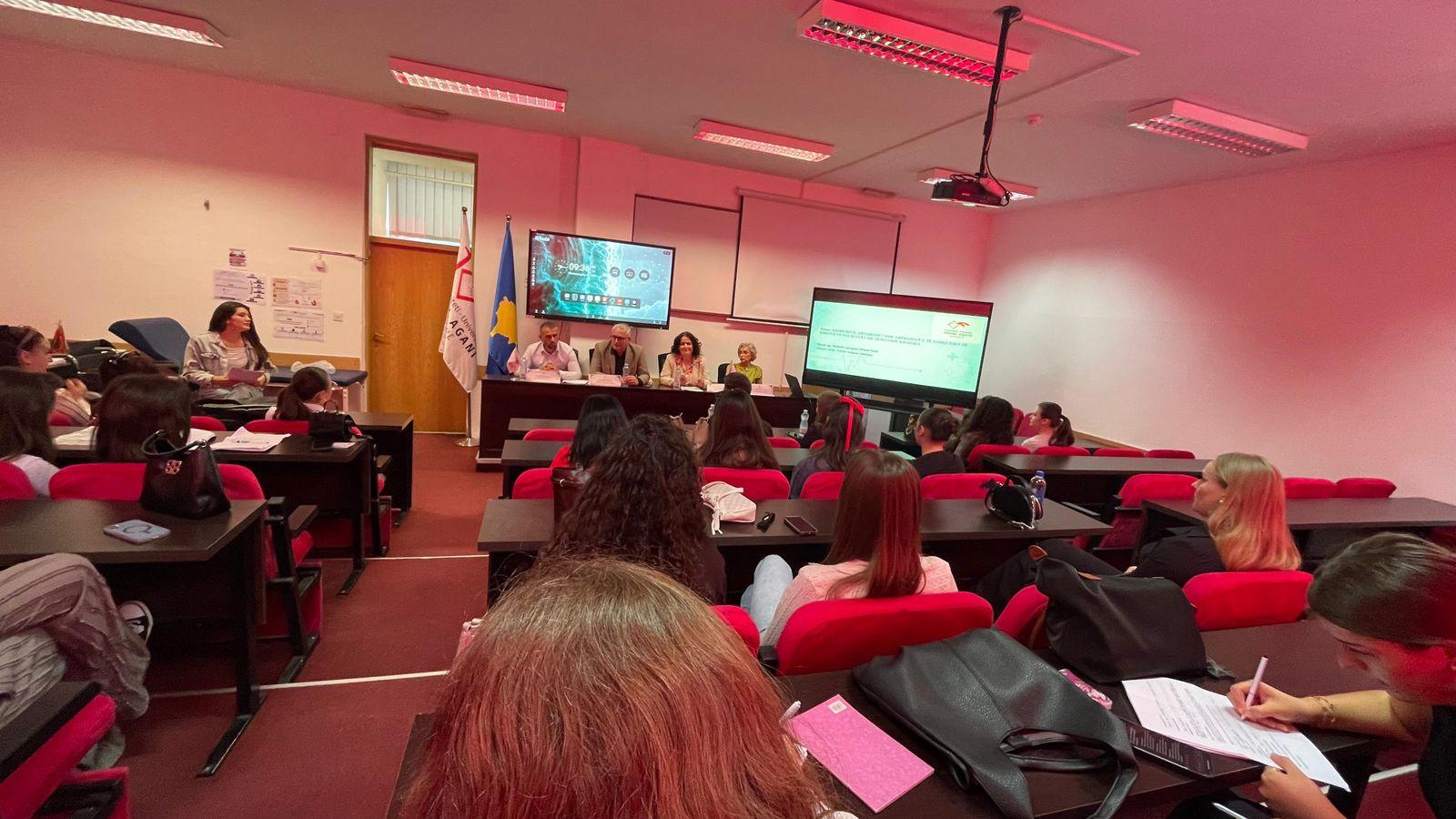
Scientific research of Public Health students is presented
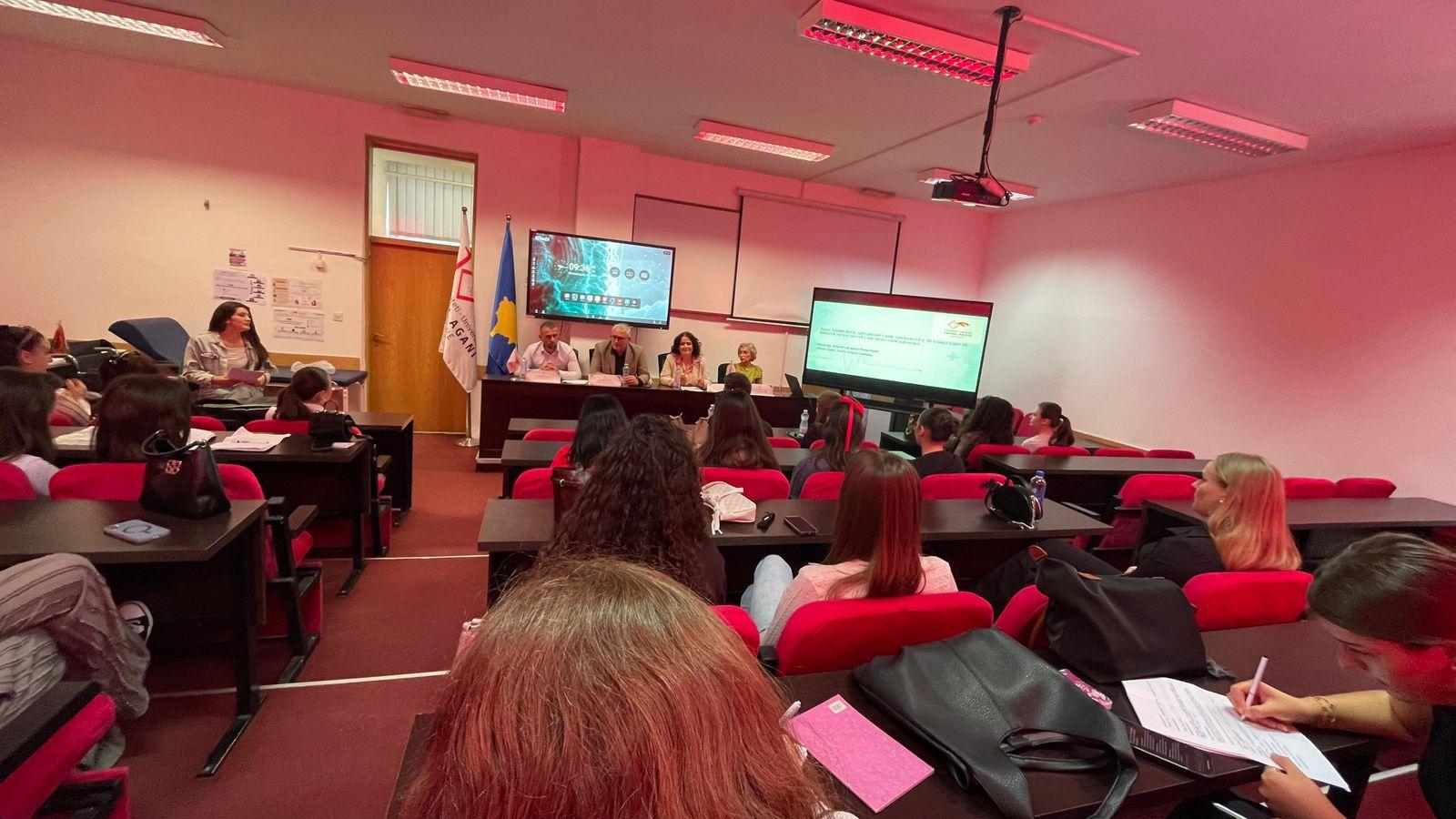
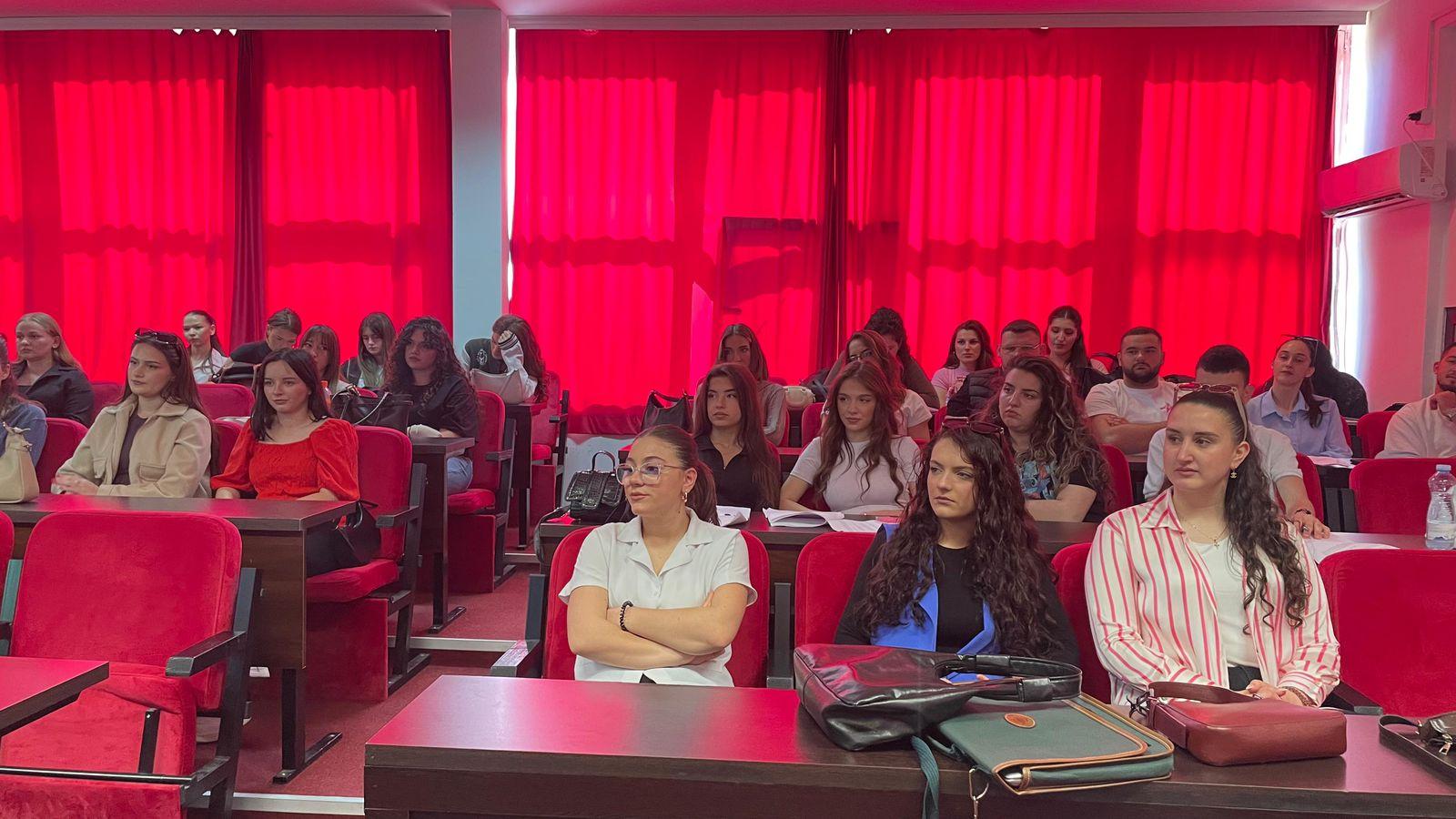
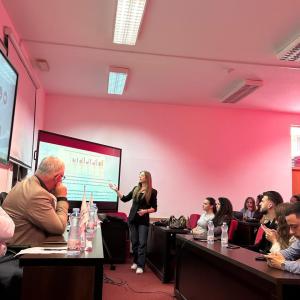
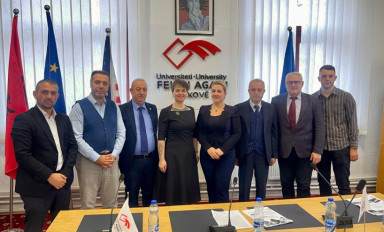
At the Faculty of Medicine in Gjakovë, on May 20, 2026, a roundtable discussion titled “Team Learning and Innovation in Public Health Teams: Results of a Comprehensive Research Project” was organized under the mentorship of Prof. Dr. Antigona Ukëhaxhaj.
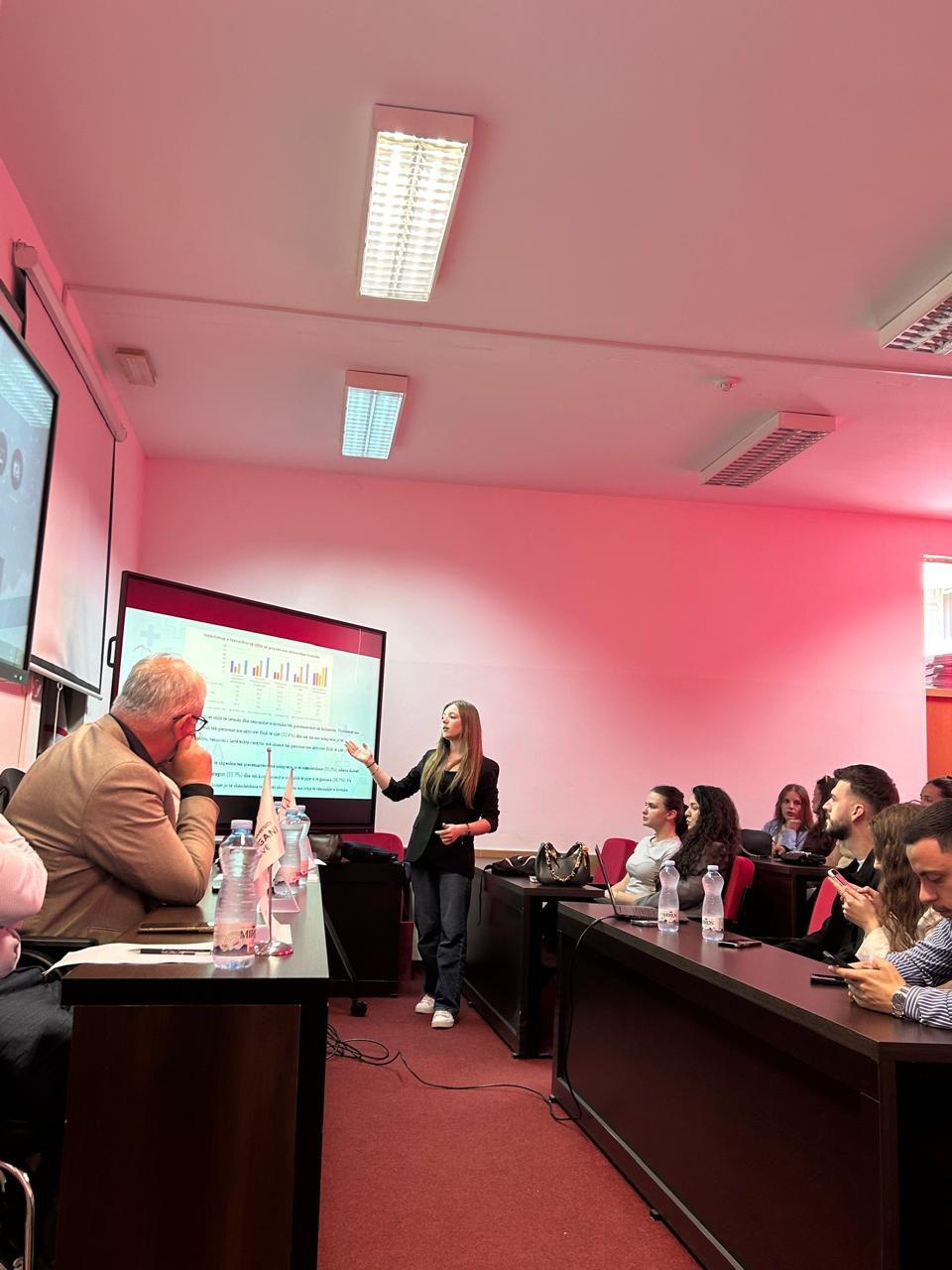
The results of the scientific studies were presented by first-year students of the Public Health program on the topic: “Prevalence of Chronic Non-Communicable Diseases in the Municipality of Gjakova.”
During the presentation, it was emphasized that chronic non-communicable diseases (NCDs) are the leading cause of morbidity and mortality in Kosovo, continuing to represent a serious challenge for the healthcare system. According to the World Health Organization (WHO), in 2019 around 17 million people under the age of 70 died as a result of non-communicable diseases. Approximately 86 percent of these deaths were recorded in low- and middle-income countries. Furthermore, according to WHO reports, around 41 million people die every year from cancer, diabetes, and chronic respiratory diseases.
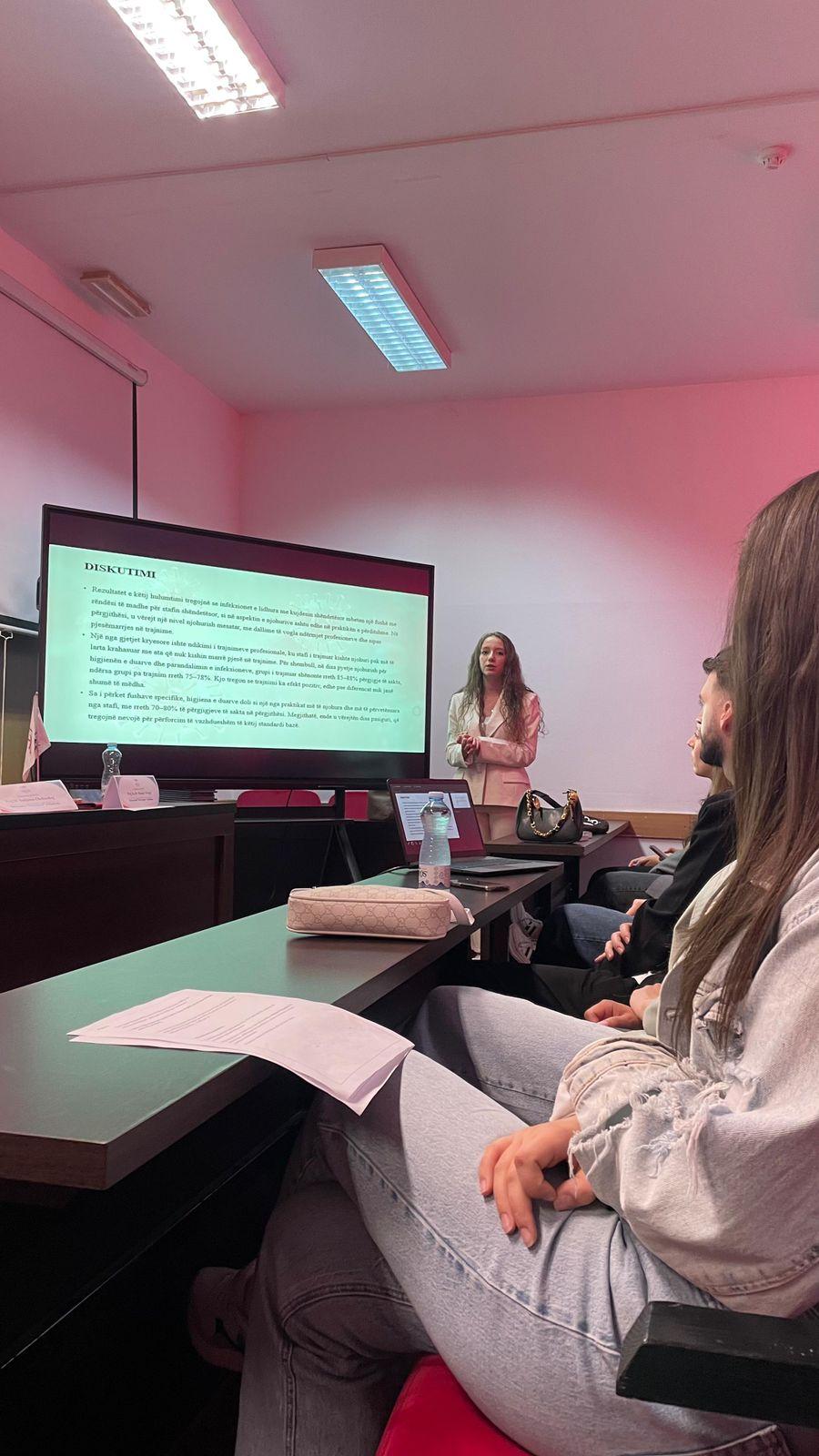
The second research project was conducted by third-year students of the Public Health program at this faculty, focusing on the topic: “Knowledge of Healthcare Staff on the Prevention of Hospital Infections at ‘Isa Grezda’ Hospital in Gjakova.”
Both studies provided an important opportunity for scientific discussion and the exchange of experiences, contributing to the advancement of medical practice, community services, and the further development of scientific research by students of this faculty.
At a time when healthcare challenges in the country are becoming increasingly complex, interdisciplinary collaboration remains one of the most powerful mechanisms and is not a luxury, but a necessity. These activities support the active involvement of students, who represent the future of the healthcare system and scientific research in this field of study.
The recommendations resulting from these studies once again demonstrated the need to strengthen community services and healthcare institutions, where human lives are saved every day.
.jpg)

.png)